The Influence of Emotion on Game Selection
Emotions play a pivotal role in decision-making processes, particularly in the context of casino gaming. Players often gravitate toward games that evoke positive feelings, such as excitement or nostalgia. For instance, an individual may choose a slot machine that features their favorite movie or television series, enhancing their engagement and enjoyment. This emotional connection can lead to prolonged playtime, as players become immersed in the gameplay and its associated memories. Additionally, platforms like 1win offer various themed games that resonate with players, as the emotional responses elicited by the themes of these games can significantly affect a player’s willingness to engage and invest time and money.
Moreover, the thrill of winning can elicit feelings of happiness and satisfaction, reinforcing the desire to play certain games repeatedly. This phenomenon can be attributed to the psychological principle known as the reward pathway, where positive experiences create a cycle of reinforcement. When players experience wins, dopamine is released in the brain, encouraging them to continue seeking that same euphoric feeling. This reinforces a preference for particular games that have previously yielded rewarding outcomes, creating a powerful loop of emotional satisfaction and gaming behavior.
An understanding of how emotions impact choice in casino games allows operators to curate environments and experiences that cater to these psychological triggers. For example, thematic decorations and music that resonate with players’ feelings can significantly influence game selection. By creating a space where positive emotions are prevalent, casinos can enhance player engagement, ultimately translating into longer sessions and increased revenue. The integration of sensory elements, such as lighting and sound, can further heighten emotional responses and influence decision-making in favor of specific games.
The Role of Cognitive Biases in Game Choices
Cognitive biases significantly impact how players select casino games. One common bias is the “gambler’s fallacy,” where individuals believe that past events influence future outcomes. This fallacy can lead players to choose games based on perceived patterns, such as favoring roulette numbers that haven’t appeared recently. Understanding this psychological tendency enables casinos to design games that can exploit these biases, potentially influencing player decisions and game popularity. By presenting games in ways that resonate with these biases, casinos can enhance their appeal and draw in more players.
Another prevalent cognitive bias is the illusion of control, which leads players to believe they can influence the outcome of games that are purely based on chance. For example, players may feel that their betting strategies can sway the results of a game like blackjack or poker. This belief empowers players to invest more time and money in these games, creating a false sense of skill that enhances their overall experience. Even though the odds remain the same, the perception of control can significantly impact a player’s choice and commitment to a particular game.

Recognizing these cognitive biases offers valuable insights for casinos in terms of marketing and game design. By catering to players’ inherent biases, casinos can create environments that enhance player satisfaction while maximizing their engagement in games. This interplay between psychology and marketing strategies can create an environment where players feel more connected and invested in their gaming choices. Tailoring promotions and game presentations to align with these cognitive tendencies can lead to increased loyalty and sustained player interest.
The Impact of Social Dynamics on Game Preferences
Social interactions significantly affect how individuals choose casino games. Many players are influenced by the presence of friends or fellow gamblers, often opting for games that allow group participation, such as poker or blackjack. The communal aspect of these games fosters camaraderie and shared excitement, making them more appealing to those looking for social engagement alongside gambling. This social dynamic not only enhances the entertainment value but also reinforces the player’s decision-making process in selecting games.
Peer influence can also shape game preferences, as individuals may consciously or unconsciously mimic the choices of those around them. If a group of friends is avidly playing a particular slot machine, new players may gravitate toward it to join in on the fun. This phenomenon emphasizes the importance of social dynamics in gaming experiences, where decisions are not solely based on personal preferences but are deeply rooted in social contexts. The collective experience creates a sense of belonging, further solidifying the appeal of certain games among groups.
Furthermore, casinos often capitalize on this social dynamic by creating areas that encourage group play or competition. Tournaments or themed nights attract players by fostering a sense of community and competition, which can draw in more participants than solitary games. This understanding of social influences on game choices allows casinos to strategically design their spaces and events to harness player interactions, ultimately leading to increased engagement and satisfaction. By promoting social gaming experiences, casinos can create an environment where players feel more inclined to return for both the games and the social connections they foster.
The Role of Game Design and Mechanics
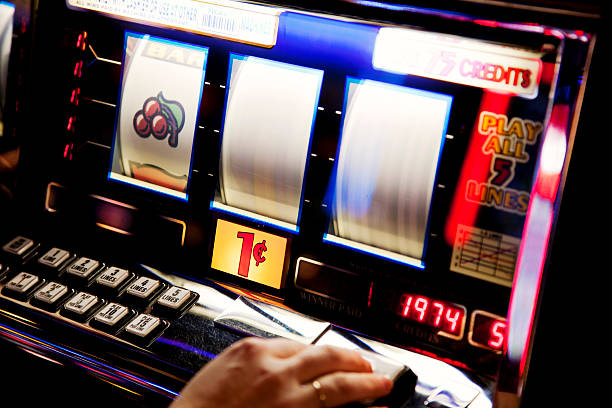
The design and mechanics of casino games significantly influence player choices. Elements such as graphics, sound effects, and gameplay mechanics can attract players and establish an emotional connection. Games with immersive themes and engaging storylines can create a captivating experience, prompting players to choose them over others that may appear visually unappealing or monotonous. The aesthetic appeal of a game can be a major deciding factor in attracting players, as visual and auditory stimuli enhance the overall gaming experience.
Furthermore, the mechanics of a game, such as its volatility and payout structure, can cater to different player preferences. Some players may seek high-risk, high-reward options, while others might prefer games that offer more frequent, smaller wins. Providing a diverse range of game types ensures that casinos attract a broad spectrum of players, each with unique motivations and risk tolerances, ultimately enhancing their overall experience. By offering games that cater to various player profiles, casinos can maximize their appeal and retention rates.
The feedback loops incorporated into game design, such as bonuses or progressive jackpots, also play a critical role in encouraging repeated play. The promise of larger rewards or exciting surprises creates a sense of anticipation and excitement, drawing players back to their favorite games. By understanding these design elements, casinos can tailor their offerings to maximize player satisfaction and retention. Engaging gameplay mechanics, coupled with a rewarding system, can keep players invested and coming back for more, ensuring sustained interest in the casino’s offerings.
Understanding Player Behavior Through Data Analysis
Today’s casinos increasingly use data analytics to better understand player behavior and preferences. By analyzing gameplay data, operators can identify trends, such as which games are most popular among certain demographics or during specific times of the day. This information helps operators make informed decisions about game placement, marketing strategies, and promotions, ensuring they meet the evolving preferences of their patrons. The ability to tailor experiences based on data-driven insights allows casinos to remain competitive and responsive to player needs.
Moreover, tracking player behavior can provide valuable insights into emotional triggers. For example, if data shows that players tend to gravitate toward certain games after a loss, casinos can adjust their offerings to capitalize on these patterns. This proactive approach allows casinos to create targeted promotions and experiences that resonate with players, thereby boosting engagement and revenue. Understanding these behavioral patterns enables casinos to foster a more personalized gaming environment, enhancing overall player satisfaction.
Furthermore, the use of loyalty programs enables casinos to gather even more data about player preferences and habits. By rewarding players for their gaming choices, casinos can foster a sense of loyalty while gaining insights into what keeps players returning. This data not only helps in crafting promotional strategies but also in enhancing the overall customer experience. By understanding these dynamics through careful data analysis, casinos can create more personalized experiences, ultimately leading to greater player satisfaction and overall success.